
What is the best time to remove a tree?
Deciding when to remove a tree is a decision many homeowners face. The timing can influence safety, cost, and the long-term health of your landscape.
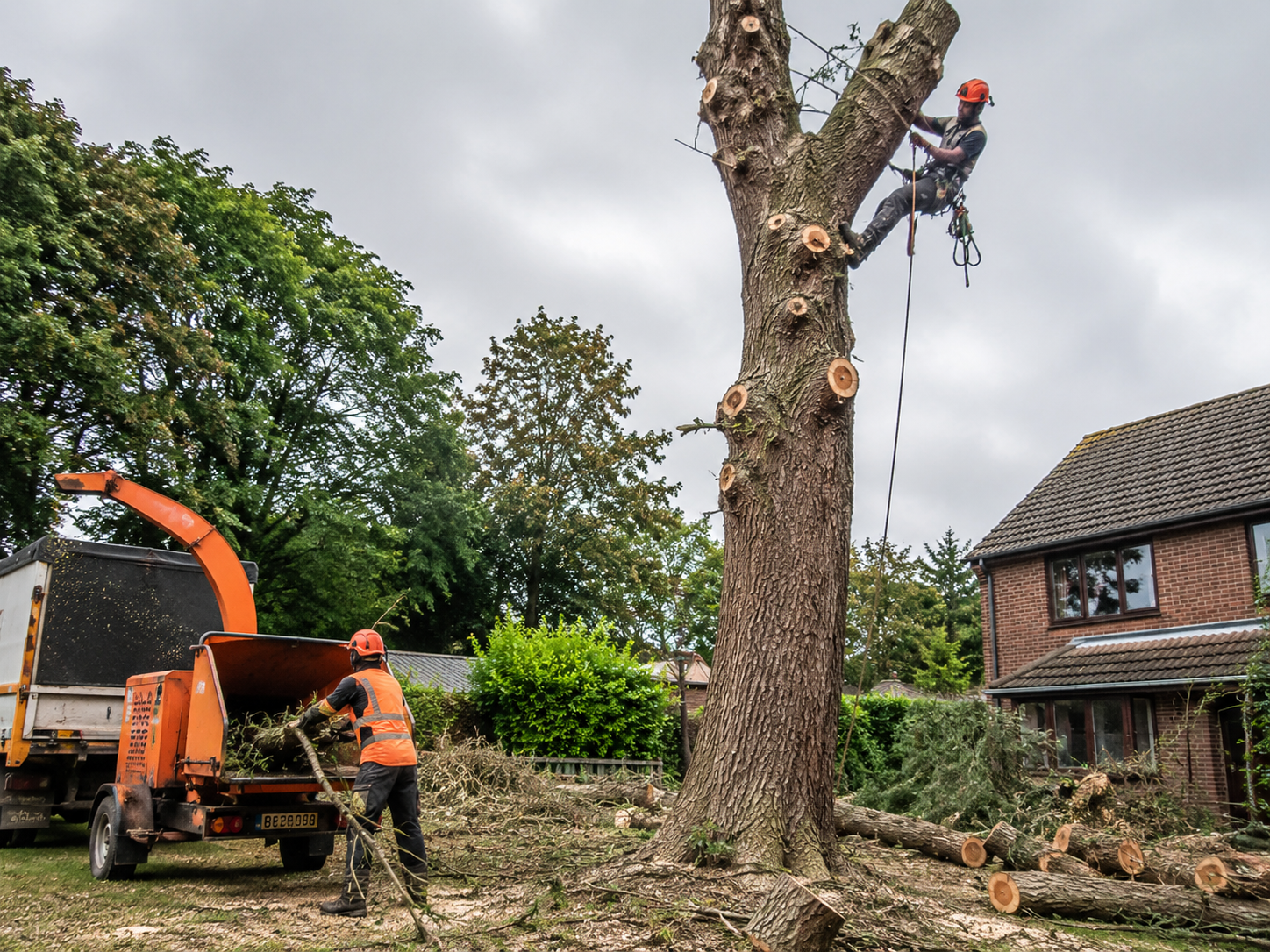
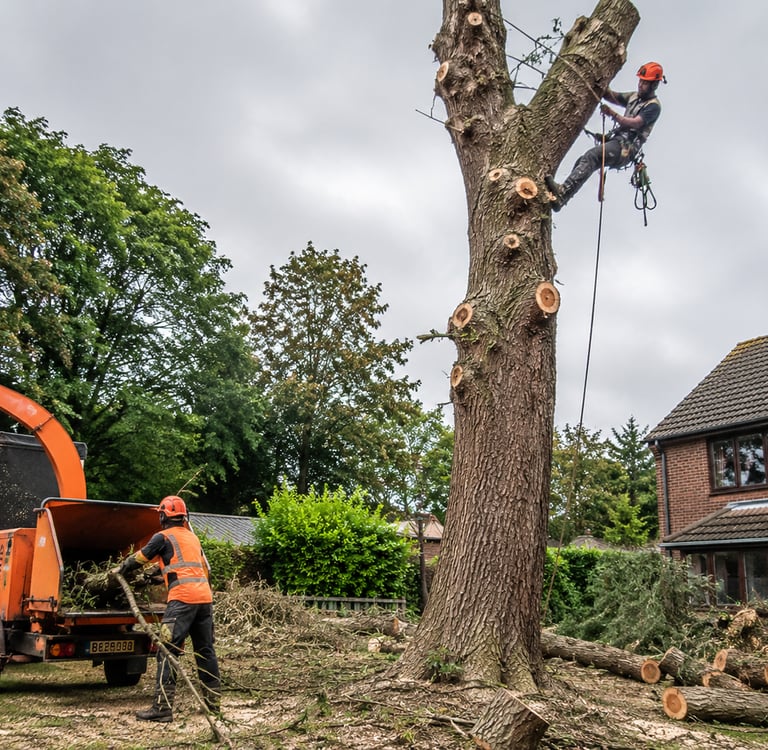
What is the best time to remove a tree?
Deciding when to remove a tree is a decision many homeowners face. The timing can influence safety, cost, and the long-term health of your landscape. In this guide, we’ll explore the factors that determine the best time for tree removal and how a professional tree surgeon sherborne can help ensure the job is done safely and efficiently.
Why timing matters
Tree removal isn’t just about cutting wood. The season, weather, and the tree’s health all impact:
Safety for people and property
The risk of disease or pest spread
Waste handling and disposal
Insurance and permit requirements
Understanding these elements helps homeowners plan the removal with minimal disruption and cost.
Seasonal considerations
Spring
Spring is a busy time for tree works because many deciduous trees are leafing out and entering active growth. For removals, spring offers:
Cooler temperatures before the heat of summer
Better visibility of branches and structure after leaves have fallen from the previous year However, specialists may encounter increased nesting activity, and soft ground can complicate access in some areas.
Summer
Summer provides good weather windows for tree removal, especially in regions with milder summers. Pros:
Longer daylight hours
Dry conditions improving workability
Quick disposal of green waste (foliage is easier to chip or mulch) Watchouts:
Higher heat adds stress to equipment and workers
Increased fire risk in very dry conditions
Autumn
Autumn can be advantageous because many trees are preparing for dormancy. Benefits include:
Cooler working conditions
Reduced leaf clutter, which helps with assessment and planning Potential drawbacks:
Storm season begins, bringing higher wind gusts and weather volatility
Wet, leaf-strewn ground can hinder access
Winter
Winter offers several practical benefits:
Fewer leaves and improved visibility of the tree’s structure
Ground conditions can be more stable in certain climates
Lower demand for tree works, potentially reducing costs But:
Frozen or saturated ground can complicate excavation and machinery use
Weather windows may be limited due to frost, snow, or rain
Tree health and risk factors
A professional tree surgeon sherborne will assess health indicators to determine not only if removal is necessary, but when it should happen. Key indicators include:
Structural weakness from decay, cracks, or fungal signs
Dead or dying branches that pose a risk during storms or heavy winds
Root problems affecting foundations or utilities
Pest infestations that threaten nearby trees or structures
If a tree is diseased or compromised, removal might be urgent, regardless of season, to prevent hazard. Conversely, if a tree is structurally sound but blocking access or causing disputes with neighbours, timing can be more flexible.
Environmental and regulatory considerations
Seasonality can also be influenced by local regulations, wildlife protection, and permit requirements. In some areas:
Nesting seasons may restrict works during certain months to protect birds and mammals
Protected trees may require permissions or special handling
Waste disposal rules apply to timber, branches, and wood chippings
A local tree surgeon sherborne will be familiar with the regulations in your area and can obtain any necessary permits or coordinate with utilities and councils.
How a professional approaches timing
Professional planning reduces risk and cost. A typical approach includes:
Initial site survey to evaluate tree health, stability, and access
Weather window analysis to choose a safe removal day
Contingency planning for unexpected weather or ground conditions
Protective measures for structures, wildlife, and nearby plants
Efficient waste management, including chipping or grinding on-site when possible
Choosing the right time also means coordinating with other services, such as stump grinding or replacing the tree with alternatives like a new planting, which can be scheduled to minimize disruption.
Cost considerations by season
Season can influence pricing, though this varies by region and contractor. In some markets:
Off-peak seasons may offer lower rates
Peak seasons can raise prices due to high demand and longer project durations
Ground conditions and access can affect machinery rental costs
A tree surgeon sherborne will provide a clear, written estimate that reflects timing, site complexity, and any special requirements, such as crane use or arborist supervision.
Final thoughts
The best time to remove a tree depends on a mix of health, safety, seasonal conditions, and local regulations. A qualified tree surgeon sherborne can assess your specific situation, explain the risks and advantages of different removal windows, and carry out the work with minimal disruption to your property. If you’re weighing removal options, contact a licensed professional to discuss timing, permits, and aftercare. Proper planning ensures safety, compliance, and a smoother transition for your landscape.
Services
Site Map
Contact Us
Phone: 075271 88398 or 01935 873328
Email: hawkinsarborist@gmail.com
Business Hours
Mon - Fri
8am - 6pm
24Hour call out
Website & SEO by TrueNorth-Media.com
Areas We Serve