
What are common hedge trimming mistakes?
By understanding the most common hedge cutting mistakes, you can trim with confidence, optimise growth, and enjoy a neater, more resilient privacy screen.

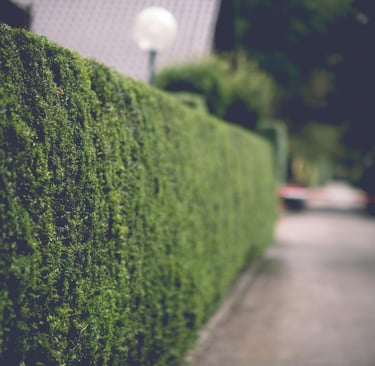
What are common hedge trimming mistakes?
Hedge trimming is a staple of tidy, well-kept gardens. Yet even seasoned gardeners can stumble into avoidable errors that compromise the health, appearance, and longevity of hedges. By understanding the most common hedge cutting mistakes, you can trim with confidence, optimize growth, and enjoy a neater, more resilient privacy screen.
Introduction: why hedge trimming mistakes happen
Hedge trimming seems straightforward: snip here, snip there, keep a neat line. In practice, a few missteps can have outsized consequences. Many errors stem from timing, technique, or an overzealous desire to shape rather than train a hedge. Recognising these slips is the first step towards better hedge cutting practice and a healthier hedge year after year.
Choosing the right time for hedge cutting
One of the most frequent mistakes is trimming at the wrong time of year. Different species have different growth cycles, so timing affects both vigor and structure.
Early spring trims can encourage strong new growth, but trimming too early in cold weather may damage new shoots.
Summer cuts promote dense growth but can stress plants in hot, dry spells.
Late autumn pruning can remove essential energy stores, making plants vulnerable to winter damage.
Tip: always check the specific guidance for your hedge species. When in doubt, wait until late winter or early spring before the growing season begins. Correct timing supports healthy growth and reduces the risk of diseases entering through freshly cut tissue.
The risks of heavy-handed hedge cutting
Another common hedge trimming mistake is using excessive frequency or severity. Heavy pruning can stun a hedge or create unnatural, ragged shapes. The goal of hedge cutting isn’t merely to keep a line; it’s to shape a living, balanced structure.
Over-pruning can reduce flowering in flowering varieties.
Severe cuts may shock the plant, leading to slow recovery or dieback.
Rapid, drastic changes can encourage weak timber and gnarly growth.
Moderation is key. If you’re unsure, prune gradually, step by step, and observe how the hedge responds over the following growing season.
Incorrect cutting technique and tool choice
Technique matters as much as timing. The way you hold the hedge trimmer, the angle of the blade, and the presence of professional gear all influence outcomes.
Use sharp, clean blades to ensure clean cuts and reduce disease transmission.
Avoid cutting at a harsh angle; aim for a subtle, slightly beveled edge that mirrors natural growth.
Do not hack at the hedge in a random, sporadic manner. Work in a methodical, layered approach to create a uniform width and height.
Tool choice also makes a big difference. Electric and petrol-powered hedge trimmers are common, but manual shears can be valuable for precise work on smaller hedges or intricate shapes. Ensure your tools are well maintained, clean, and appropriate for the species you’re trimming.
Neglecting to train, not just cut
Hedges are living structures that respond to training over time. A frequent oversight is focusing solely on cutting without considering how to train the hedge to maintain shape and growth direction.
Regularly remove shoots that grow inward, crowding the center of the hedge.
Encourage uniform outward growth by trimming the outer tips slightly more than the inner growth, creating a slightly convex silhouette that sheds rainwater effectively.
For formal hedges, maintain straight lines by using stakes, guides, or string to help you visualise the desired shape.
Training a hedge takes patience, but it yields a more resilient plant with better light penetration and air circulation.
Seasonal maintenance and disease management
Seasonal care is an essential aspect of hedge cutting that many overlook. Poor attention to seasonal maintenance can lead to disease, pest problems, and reduced vigor.
Clean tools between plants to avoid transferring pathogens.
Remove diseased or damaged shoots promptly to prevent spread.
Apply mulch to conserve moisture and regulate soil temperature around the root zone.
Monitor for common hedge pests such as aphids, spider mites, or caterpillars, and treat responsibly using species-appropriate methods.
Healthy hedges are better able to resist pests and recover from pruning stress. A routine, preventative approach often saves time and extends the life of your hedge.
Watering, feeding, and soil considerations
Hedge cutting isn’t only about trimming. The overall health of the hedge depends on soil conditions and nutrition.
Ensure your hedge receives adequate water, especially after a heavy trim, to support new growth.
Use balanced fertilisers suitable for your hedge species, avoiding heavy nitrogen early in the season which can promote excessive soft growth susceptible to damage.
Mulching helps retain moisture and moderates soil temperature, giving robust roots a better environment to support growth.
Healthy soil and well-timed feeding complement precise hedge cutting and reduce the risk of weak timber or slow recovery after pruning.
How to identify signs your hedge is unhappy
A hedge may be telling you it’s unhappy through several indicators.
Sparse or uneven growth after pruning.
Browning leaf tips or leaf drop during the growing season.
Increased susceptibility to pests or diseases.
A general lack of vitality despite regular maintenance.
Respond quickly by reassessing your pruning schedule, checking your technique, and perhaps consulting local gardening resources for species-specific advice.
Final thoughts: refining your hedge cutting practice
Common hedge trimming mistakes can be avoided with a measured approach focused on timing, technique, and ongoing care. By trimming at the right time of year, avoiding heavy-handed cuts, using proper tools, training your hedge rather than just cutting it, and maintaining good seasonal care, your hedges will stay healthy, dense, and attractive.
Remember: hedge cutting is a balance between form and function. When done thoughtfully, it enhances privacy, improves curb appeal, and supports the overall health of your garden.
Services
Site Map
Contact Us
Phone: 075271 88398 or 01935 873328
Email: hawkinsarborist@gmail.com
Business Hours
Mon - Fri
8am - 6pm
24Hour call out
Website & SEO by TrueNorth-Media.com
Areas We Serve