How Much Does It Cost to Reduce the Height of a Tree in the UK?
Tree care is an essential part of maintaining a safe and healthy garden. If you’ve ever considered reducing the height of a tree, you’re not alone.
How Much Does It Cost to Reduce the Height of a Tree in the UK?
Tree care is an essential part of maintaining a safe and healthy garden. If you’ve ever considered reducing the height of a tree, you’re not alone. Homeowners in the UK often weigh the costs and benefits of pruning, pollarding, or professionally reducing a tree’s height. In this article, we’ll explore the factors that influence price, what a typical job involves, and how to choose a reputable professional such as a tree surgeon Yeovil when you’re based in Somerset or nearby.
Introduction: why height reduction matters
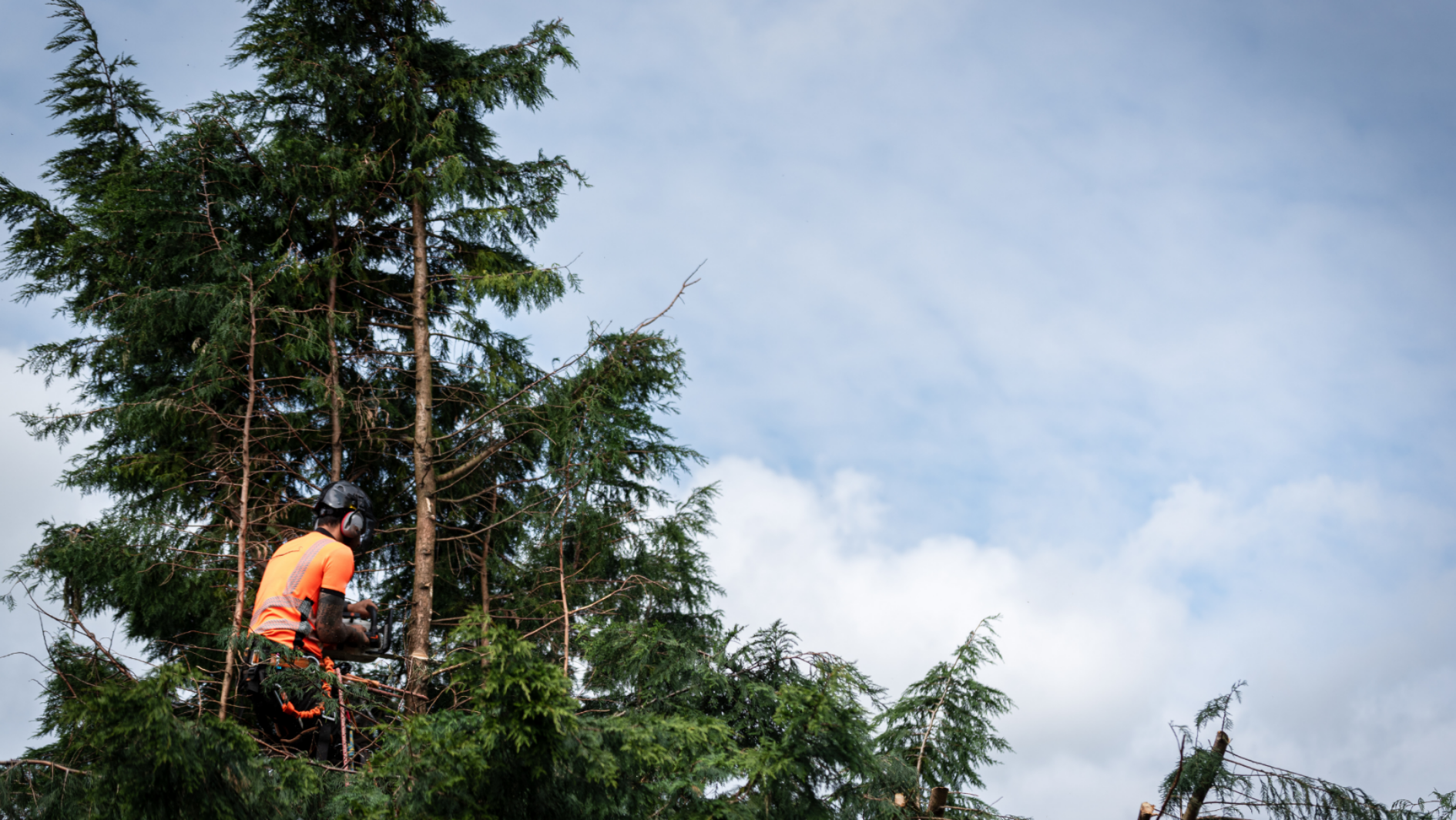
Reducing the height of a tree is sometimes necessary to improve safety, health, and future growth. Overgrown trees can threaten roofs, power lines, and pathways, or simply outgrow their space. Height reduction can be a careful, regulated process that preserves the tree’s structure while lowering risk. Understanding the likely costs helps you plan ahead and avoid surprises when you request quotes from local experts like tree surgeon Yeovil.
What does height reduction entail?
Before discussing costs, it’s helpful to define what “reducing the height” involves. A qualified tree surgeon will typically:
Assess the tree’s health, structure, and species suitability for height reduction.
Determine the appropriate amount of reduction, typically measured as a percentage or in metres, while preserving the tree’s natural form.
Use professional pruning techniques to remove leaders or high limbs, often removing no more than one-third of the tree’s total height in a single operation to avoid stressing the tree.
Consider seasonality and safeguarding the tree against disease and wildlife disturbance.
Ensure compliance with local regulations and any tree protection orders (TPOs), if applicable.
What factors influence the cost?
Several variables impact how much it costs to reduce the height of a tree:
Tree size and species: Larger trees or slow-growing species may require more work, equipment, and time, pushing up prices.
Height and access: The higher the tree and the more difficult the access, the more equipment and labour are needed.
Condition of the tree: Diseased or structurally compromised trees may require extra measures such as bracing or cabling, or may even necessitate removal instead of height reduction.
Location and site constraints: Ground conditions, proximity to buildings, vehicles, and power lines can affect safety measures and insurance costs.
Permits and permissions: Some trees may be protected by a Tree Preservation Order (TPO) or be in a conservation area, requiring notification or consent, which can influence timing and quotes.
Waste disposal: The amount of green waste generated and whether it is chipped on-site or taken away will affect the overall cost.
Maintenance plan: Some customers opt for staged reductions over several years, which can alter annual costs but spread the workload.
What might a typical price range look like?
Prices can vary widely across the UK, and even within regions like Somerset and nearby Yeovil. As a rough guide, you can expect the following:
Small to medium trees (up to 6–8 metres in height): £150–£500 per intervention.
Medium trees (8–12 metres): £350–£1,000.
Large trees (over 12 metres): £1,000–£3,000 or more, depending on complexity and access.
Note that these figures are indicative and depend on the factors listed above. Getting a written quotation from a qualified tree surgeon Yeovil or your local area is essential to understand the exact cost for your tree.
How to get an accurate quote (and why you should hire a professional)
Hire a trusted tree surgeon Yeovil or nearby with appropriate certifications (for example, membership of a recognised professional body and public liability insurance).
Request an on-site inspection. Height reduction should be assessed in person to evaluate health, structure, and access.
Ask for a breakdown of costs: labour, equipment, disposal, and any extra services (cabling, bracing, removal).
Inquire about aftercare and how soon you might need follow-up reductions to avoid over-stressing the tree.
Check references and past work. Look for photos or case studies of similar height reduction projects.
Ensure compliance with legal requirements, especially if the tree is protected or within a conservation area.
The value of choosing a local expert: tree surgeon Yeovil
Working with a local professional brings several benefits:
Knowledge of local species and typical growth patterns in Somerset and the South West.
Understanding of local regulations, permits, and TPO considerations.
Availability of emergency call-outs for storm damage or hazardous limbs.
Proximity means faster responses, potentially lower travel costs, and easier follow-up visits.
A local reference network can provide testimonials from neighbours and nearby residents.
Alternatives to height reduction
If height reduction isn’t suitable or sufficient, consider alternatives:
Crown lifting: Removing lower branches to increase clearance without altering overall height.
Crown thinning: Reducing weight and wind resistance to improve health and safety.
Crown reduction (partial) with minimal height reduction to direct growth in a safer direction.
Tree removal and replacement with a smaller, better-suited species.
Important considerations: safety, regulations, and environmental impact
Always treat height reduction as a potentially dangerous job requiring professional equipment and training.
Ensure the arborist is insured and qualified to work at height and undertake significant pruning tasks.
Be mindful of nesting birds and wildlife seasons; avoid work during restricted periods.
Consider the environmental impact and waste disposal options, many professionals offer on-site chipping and composting.
Final thoughts
Reducing the height of a tree in the UK is a decision that involves careful assessment of health, safety, and long-term growth. Costs vary widely based on tree size, species, access, and regulatory considerations. By consulting a qualified tree surgeon Yeovil, you can obtain a tailored quote that reflects the specifics of your tree and aims to preserve its health while mitigating risk. If you’re weighing options, gather quotes, check credentials, and choose a local expert who can guide you through the process, from initial inspection to aftercare. With professional help, you can enjoy a safer, better-balanced tree that remains a valuable feature of your landscape.
Services
Site Map
Contact Us
Phone: 075271 88398 or 01935 873328
Email: hawkinsarborist@gmail.com
Business Hours
Mon - Fri
8am - 6pm
24Hour call out
Website & SEO by TrueNorth-Media.com
Areas We Serve